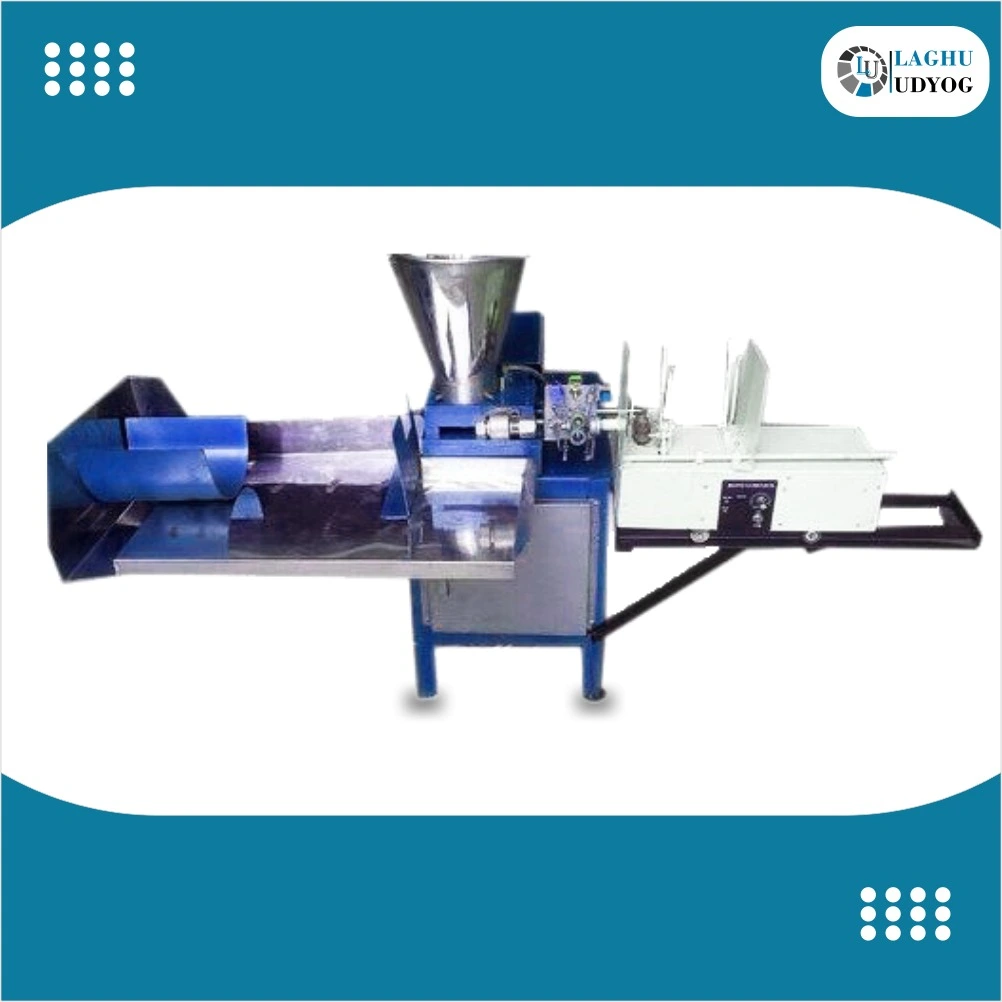
Starting an agarbatti making business in India is one of the most profitable ventures for aspiring entrepreneurs. With the growing demand for incense sticks in religious ceremonies, aromatherapy, and home fragrance markets, this industry offers tremendous opportunities. The Indian agarbatti market is estimated to grow at a CAGR of 8-10% annually, making it an ideal time to enter this business.
Agarbatti, also known as incense sticks, have been an integral part of Indian culture for centuries. They are used in temples, homes, offices, and during various religious ceremonies. The demand for premium quality agarbatti has increased significantly in recent years due to rising awareness about aromatherapy and natural wellness products. This creates a fantastic business opportunity for entrepreneurs looking to start a manufacturing unit with relatively low investment. Starting an agarbatti business is a profitable small business idea. The agarbatti making machine price starts from Rs 25,000* with high demand throughout the year.
Market Analysis and Business Potential
The Indian agarbatti market is valued at over Rs 3,500 crores and is expected to reach Rs 6,000 crores by 2027. The market is driven by increasing urbanization, growing religious sentiments, and the rising trend of using natural incense products for wellness purposes. Major players like Cycle Pure Agarbatti, Mysore Sandalwood, and ITCagarbatti dominate the market, but there is still significant room for regional and niche players to capture market share.
The unorganized sector accounts for nearly 40% of the total market, which means small and medium enterprises can compete effectively by offering quality products at competitive prices. The key to success lies in understanding consumer preferences, maintaining consistent quality, and building strong distribution networks. Export opportunities also exist, particularly in countries like Nepal, Bangladesh, Sri Lanka, and Middle Eastern nations where Indian incense products are highly valued.
Step-by-Step Guide to Starting Your Agarbatti Business
First, conduct thorough market research to understand local demand, competitor analysis, and target customer segments. Create a detailed business plan covering production capacity, investment requirements, marketing strategy, and financial projections. Register your business under MSME through the Udyam portal to avail government benefits and subsidies.
Next, arrange the required capital through personal savings, bank loans under Mudra scheme, or by seeking investors. The initial investment depends on the scale of operation. For a small unit, you need Rs 50,000 to Rs 1,50,000, while a medium-scale operation requires Rs 2,00,000 to Rs 5,00,000. This includes the cost of machinery, raw materials, packaging materials, and working capital for the first three months.
Procure the necessary machinery based on your production capacity. For beginners, a semi-automatic agarbatti making machine is recommended as it balances cost and productivity. You will also need a bamboo stick cutting machine, a drying rack, and packaging equipment. Source quality raw materials including bamboo sticks, charcoal powder, sawdust, essential oils, fragrance compounds, and binding agents from reliable suppliers.
Machinery Selection Guide
The heart of your agarbatti manufacturing unit is the machine you choose. Semi-automatic machines are ideal for startups as they offer good production capacity at affordable prices. These machines can produce 200-300 kg of finished agarbatti per day with minimal manual intervention. Fully automatic machines are suitable for larger operations requiring higher output and consistency.
When selecting a machine, consider factors like production capacity, power consumption, maintenance requirements, and after-sales support. Look for machines made from durable materials like stainless steel and those that offer easy operation. Many manufacturers also provide training and technical support, which is valuable for new entrepreneurs. The machine should be compatible with different types of raw materials and capable of producing various sizes and designs of agarbatti.
Raw Material Sourcing and Quality Control
The quality of your agarbatti depends largely on the raw materials used. Bamboo sticks should be of uniform thickness and properly dried to prevent bending during the coating process. Charcoal powder and sawdust act as combustion agents and should be fine and free from moisture. Essential oils and fragrances determine the burning characteristics and aroma of your products.
Establish relationships with multiple suppliers to ensure uninterrupted supply and competitive pricing. You can source bamboo sticks from states like Assam, Meghalaya, and Kerala where bamboo cultivation is abundant. For fragrances, connect with manufacturers in cities like Bangalore, Mumbai, and Kolkata. Always maintain strict quality control by testing raw materials before bulk purchase and implementing quality checks at every stage of production.
Production Process Overview
The agarbatti making process involves several steps. First, prepare the dough by mixing charcoal powder, sawdust, binding agents, and water in the right proportions. The dough consistency should be neither too dry nor too wet. Next, load the bamboo sticks into the machine and apply the dough coating uniformly. The machine rotates the sticks while the dough is applied, ensuring even coating on all sides.
After coating, the sticks need to be dried properly. Sun drying is the most economical method but requires adequate space and weather conditions. Alternatively, you can use mechanical dryers for faster and consistent drying. Once dried, the agarbatti sticks are inspected for quality, trimmed if necessary, and then packaged in attractive boxes. The entire process from dough preparation to packaging should take 24-48 hours depending on drying conditions.
Marketing and Distribution Strategy
Building a strong brand and distribution network is crucial for success. Start with local markets by supplying to retail shops, supermarkets, and religious stores. Create attractive packaging that reflects your brand identity and includes all required information like ingredients, weight, and manufacturing details.
Expand your reach through online platforms like Amazon, Flipkart, and your own e-commerce website. Social media marketing through Instagram, Facebook, and YouTube can help build brand awareness. Participate in trade fairs and exhibitions to connect with potential distributors and retailers. Consider offering customized packaging and private labeling services to attract bulk orders from businesses and religious institutions.
Financial Planning and Government Support
Create detailed financial projections including capital expenditure, operational costs, revenue forecasts, and break-even analysis. The government offers several schemes for MSME units including Mudra loans up to Rs 10 lakhs, credit guarantee schemes, and subsidies under various state industrial policies. Register on the MSME portal to avail these benefits.
Maintain proper accounting records and comply with GST regulations. The agarbatti industry falls under specific HSN codes and you need to charge applicable GST rates. Many states also offer industrial promotion subsidies for small-scale manufacturing units. Consult with a chartered accountant to optimize your tax planning and ensure compliance with all regulatory requirements.
Frequently Asked Questions
You can start an agarbatti making business with an investment ranging from Rs 50,000 to Rs 5,00,000 depending on the scale. A small-scale setup with a manual or semi-automatic machine requires around Rs 50,000 to Rs 1,50,000, while a fully automatic machine setup costs between Rs 2,00,000 to Rs 5,00,000 including raw materials and packaging materials.
The profit margin in agarbatti business ranges from 30% to 50% depending on the quality and packaging. On an average, if you produce 1000 packs per month with a production cost of Rs 15 per pack and sell at Rs 25-30, you can earn a profit of Rs 10,000 to Rs 15,000 per month from small-scale operations.
Yes, you need MSME registration under Udyam portal, GST registration if turnover exceeds Rs 40 lakhs, BIS certification for quality standards, and factory license if operating from a dedicated manufacturing unit. You may also need pollution control board NOC depending on your state regulations.
Product Price & Details
Agarbatti Making Machine
Price: ₹25,000* (Ex-works, GST extra)
SKU: BLOG-AG-001
Brand: Laghu Udyog India | Warranty: 1 Year
Related Products