One of the most common questions aspiring entrepreneurs ask is whether to start a detergent cake business or a detergent powder business. Both segments offer excellent profit potential, but they cater to different market needs and require different approaches. Understanding the nuances of each business model is crucial for making an informed decision that aligns with your investment capacity, target market, and long-term business goals.
Detergent powder making machine price starts from Rs 85,000* and detergent cake making machine from Rs 2,85,000*. Both are profitable small business ideas with strong demand across India.
The Indian cleaning products market presents a unique landscape where both detergent cakes and powders coexist and thrive. While powder detergent has gained significant market share in urban areas, detergent cakes remain the preferred choice in rural and semi-urban India. This dual demand creates opportunities for entrepreneurs to choose the segment that best suits their local market conditions and business capabilities.
Understanding Detergent Cake Business
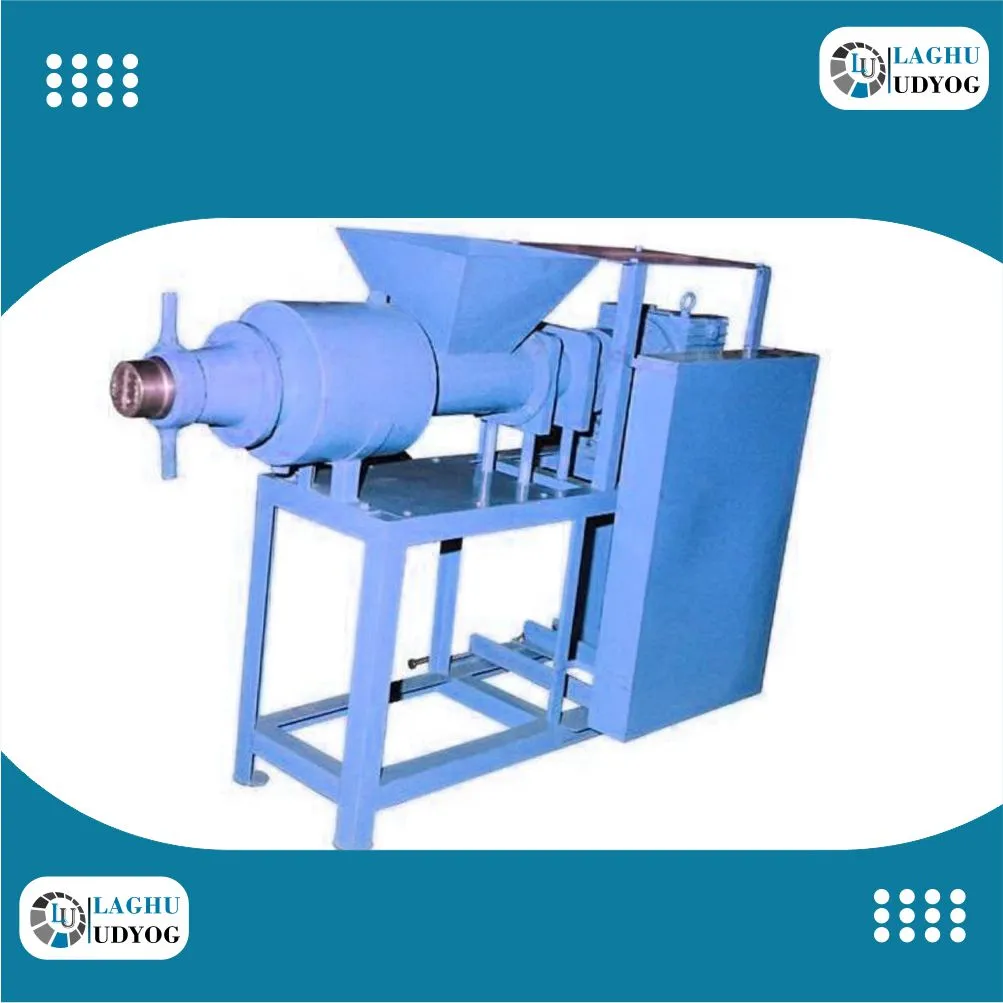
Detergent cake, also known as laundry soap or washing soap, is a solid form of cleaning agent that has been a staple in Indian households for decades. The production process involves mixing surfactants, fillers, and binding agents, followed by extrusion and cutting into desired shapes. Modern detergent cake making machines from Laghu Udyog India can produce 200-500 kg per hour with consistent quality and minimal waste.
The detergent cake market in India is valued at approximately 6,000 crores and continues to grow steadily. The primary advantage of the cake business is its appeal to price-sensitive consumers who prefer buying cleaning products in small quantities. A single detergent cake weighing 100-250 grams is affordable for low-income households, making it an ideal product for rural and semi-urban markets. Additionally, cakes have a longer shelf life and do not require airtight packaging, reducing storage and packaging costs significantly.
Understanding Detergent Powder Business
Detergent powder is the faster-growing segment of the Indian cleaning products market, driven by urbanization, rising incomes, and the proliferation of automatic washing machines. The powder manufacturing process involves dry mixing of chemicals, followed by spray drying or agglomeration to achieve the desired particle size and density. A quality detergent powder making machine can produce 50-200 kg per hour for small to medium-scale operations.
The detergent powder market is valued at over 9,000 crores and is growing at 10-12% annually. Powder detergents offer several advantages including better cleaning efficiency, easier dosing, and compatibility with both hand and machine washing. The premium segment of the market, which includes products with enzymes, optical brighteners, and specialized fragrances, offers the highest margins. However, the powder business requires more investment in machinery, raw materials, and quality control systems compared to the cake business.
Investment Comparison
The initial investment required for a detergent cake making business is higher than for a powder business. A detergent cake making machine from Laghu Udyog India costs Rs. 2,85,000, while a powder making machine with comparable output capacity costs Rs. 85,000. The total setup cost for a cake business, including raw materials, packaging, and working capital, is higher due to the complex machinery involved.
Raw material costs also differ between the two businesses. Detergent cake raw materials are generally less expensive and available from local chemical suppliers. The formulation is simpler, requiring fewer specialized ingredients. Powder detergent formulations are more complex and may include expensive additives like enzymes, optical brighteners, and specialty surfactants. However, the higher raw material cost for powder is offset by the higher selling price per kilogram, resulting in competitive profit margins.
Profit Margin Analysis
Detergent cake manufacturing typically offers profit margins of 35-50%, depending on the quality and market positioning. The low cost of production and packaging, combined with steady demand from rural consumers, makes this a highly profitable venture. A small-scale cake manufacturer producing 500 kg per day can earn monthly profits of 30,000 to 50,000 rupees. The margins are higher for premium cakes with better fragrance and cleaning properties.
Detergent powder manufacturing offers profit margins of 20-30% for standard products and up to 40% for premium formulations. While the margins are slightly lower than cakes, the volume of sales is typically higher in urban markets. A powder manufacturer producing 200 kg per day can generate monthly profits of 25,000 to 40,000 rupees. The key to maximizing powder business profits is to develop a strong brand identity and distribution network that commands premium pricing.
Market Demand and Distribution
Detergent cakes have a massive market in rural India, where approximately 65% of the population resides. Rural consumers prefer cakes for hand washing clothes and find them more economical for small loads. The distribution network for cakes is well-established, with products available at paan shops, grocery stores, and local markets. Powder detergents dominate urban markets, particularly in metropolitan cities where automatic washing machines are common. Urban distribution requires relationships with supermarkets, department stores, and e-commerce platforms.
The choice between cake and powder business should be based on your primary target market. If you are located in or near rural areas, starting with a detergent cake business makes more sense due to lower investment and established demand. If you are targeting urban consumers with higher disposable incomes, a powder business offers better growth potential and higher revenue per customer. Some entrepreneurs even start with both products to diversify their market reach and minimize risk.
Machinery and Production Quality
Regardless of whether you choose cake or powder, investing in quality machinery from a reputable manufacturer like Laghu Udyog India is essential for producing consistent, market-ready products. Detergent cake making machines should feature stainless steel construction, precise temperature control, and adjustable extrusion speeds. Powder making machines should offer uniform mixing, proper particle size distribution, and efficient packaging capabilities.
The quality of your machinery directly impacts your product quality, production efficiency, and ultimately your profitability. Cheap, low-quality machines may save money initially but will cause problems through frequent breakdowns, inconsistent product quality, and higher maintenance costs. Investing in reliable machinery from day one ensures that your products meet market standards and build customer trust in your brand.
Product Price & Details
Detergent Cake Making Machine
Price: ₹2,85,000* (Ex-works, GST extra)
SKU: BLOG-DT-002
Brand: Laghu Udyog India | Warranty: 1 Year
Frequently Asked Questions
Detergent cake business generally offers higher profit margins per unit (35-50%) compared to powder (20-30%), but powder has higher volume demand. Cakes are preferred in rural areas and for hand washing, while powder dominates in urban markets with washing machines. The choice depends on your target market and distribution network.
Detergent cake making machine costs 50,000 to 1.5 lakhs, while powder making machine ranges from 1.5 to 4 lakhs. Cake production requires less space and fewer raw materials initially. Total investment for cake business is 50,000 to 2 lakhs, whereas powder business needs 2 to 5 lakhs for a comparable setup.
Detergent cake has significantly higher demand in rural India, especially in states like Uttar Pradesh, Bihar, and Madhya Pradesh. Rural consumers prefer cakes for hand washing and find them more economical for small loads. Powder detergent is gaining popularity but cakes still dominate the rural segment with approximately 55-60% market share.
Related Products