Why Kurkure Making Business is a Profitable Opportunity
The Indian snack market is booming at an unprecedented rate, and kurkure remains one of the most popular finger snacks across the country. With a market size of over Rs. 50,000 crore, the processed food and snack industry in India is growing at 15-20% annually. Starting a kurkure making business is one of the most rewarding small-scale manufacturing ventures you can undertake with minimal investment.
Kurkure, the iconic crunchy snack loved by millions of Indians, offers excellent profit margins for small and medium-scale manufacturers. The demand for packaged snacks has increased significantly in both urban and rural markets, making this the perfect time to enter the market. Whether you want to start a home-based operation or set up a full-scale manufacturing unit, this comprehensive business plan will guide you through every step.
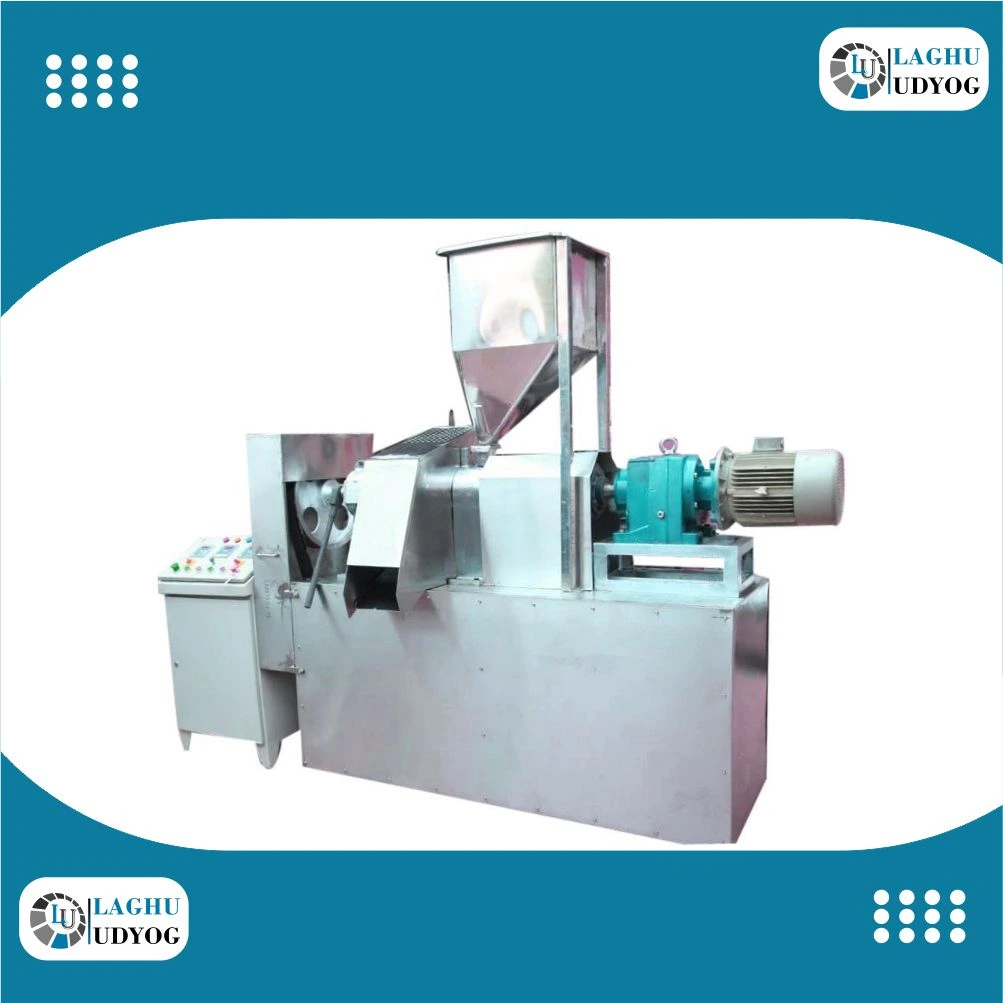
Kurkure making machine price starts from Rs 70,000*. Food processing business ideas like kurkure manufacturing are trending low investment business ideas for aspiring entrepreneurs across India.
Market Demand and Opportunity
India's snack food market is valued at over Rs. 60,000 crore and is projected to reach Rs. 1,00,000 crore by 2028. The demand for kurkure and similar extruded snacks is driven by several factors including increasing disposable income, growing urbanization, changing lifestyle patterns, and the expansion of retail and e-commerce platforms.
The unorganized sector still accounts for nearly 60% of the snack market, which means there is tremendous opportunity for new manufacturers to capture market share. Local brands and private labels are gaining popularity in tier-2 and tier-3 cities, creating a huge demand for contract manufacturing and white-label snack production.
Target Market Segments
- Retail consumers: Direct sale through grocery stores, supermarkets, and online platforms
- Wholesale distributors: Supply to regional and national distribution networks
- Institutional buyers: Hotels, restaurants, catering companies, and railway stations
- Private label: Manufacturing for other brands under their label
- Export market: Indian snacks are popular in Middle East, USA, UK, and Southeast Asia
Investment Required for Kurkure Making Business
The total investment required depends on the scale of your operation. Here is a detailed breakdown:
Small Scale Unit (Capacity: 50-100 kg/hour)
A small-scale kurkure making unit requires an investment of approximately Rs. 3.5 to 6 lakh. This includes:
- Semi-automatic kurkure making machine: Rs. 45,000
- Mixing and seasoning equipment: Rs. 30,000 to 50,000
- Packaging machine: Rs. 40,000 to 80,000
- Raw materials (initial stock): Rs. 50,000 to 1 lakh
- Working capital (3 months): Rs. 75,000 to 1.5 lakh
Medium Scale Unit (Capacity: 200-500 kg/hour)
For a medium-scale operation, the investment ranges from Rs. 10 to 25 lakh. This setup includes fully automatic machines, larger storage facilities, quality testing equipment, and a dedicated workforce. The returns are significantly higher with increased production capacity.
Large Scale Unit (Capacity: 500+ kg/hour)
A large-scale manufacturing facility requires Rs. 30 to 75 lakh investment. This includes high-capacity extruders, automated seasoning and packaging lines, quality control laboratory, and professional management team. Such units can produce 5-10 tonnes of kurkure daily.
Raw Materials and Their Sourcing
The quality of your kurkure depends largely on the raw materials used. Here are the key ingredients:
Primary Raw Materials
- Corn Grits (Maize): The main ingredient, available at Rs. 15-20 per kg from agricultural mandis
- Rice Grits: Adds crunchiness, costs Rs. 20-30 per kg
- Palm Oil: Used for frying, Rs. 80-100 per liter
- Wheat Flour: Sometimes used as binding agent
Spices and Seasonings
- Salt, red chili powder, turmeric powder
- Citric acid, food colors, flavor enhancers
- Chat masala, amchur powder, black salt
- Garlic powder, onion powder, cumin powder
You can source these raw materials from local wholesale markets, directly from farmers, or through B2B platforms like IndiaMART and TradeIndia. Establishing direct relationships with farmers can help you get better prices and consistent supply.
Machine and Equipment Required
The heart of your kurkure making business is the kurkure making machine. There are several types of machines available based on your production requirements:
Types of Kurkure Making Machines
1. Single Screw Extruder: Best for small-scale production. It can produce 50-100 kg of kurkure per hour. The machine works by forcing the corn grit mixture through a die at high temperature and pressure, creating the characteristic curved shape.
2. Twin Screw Extruder: Suitable for medium to large-scale operations. These machines offer higher output of 200-500 kg/hour with better consistency and texture control. They are more expensive but provide excellent value for money in the long run.
3. Fully Automatic Line: Includes extruder, drying system, seasoning drum, and packaging conveyor. This is ideal for manufacturers who want to minimize manual intervention and maximize production efficiency.
Additional Equipment Needed
- Flour mixing machine for preparing the dough
- Seasoning and flavoring system (spray or tumble coating)
- Packaging machine (semi-automatic or fully automatic)
- Weighing and sealing machine
- Air compressor for pneumatic operations
Step-by-Step Manufacturing Process
Understanding the kurkure making process is essential for producing high-quality snacks. Here is the step-by-step process:
Step 1: Raw Material Preparation
The corn grits and rice grits are cleaned and mixed with water in the correct proportion. The moisture content should be maintained at 28-32% for optimal extrusion. The mixing is done in a ribbon blender or paddle mixer for 8-10 minutes until a uniform dough is formed.
Step 2: Extrusion Cooking
The prepared dough is fed into the extruder where it is cooked at high temperature (150-180°C) and pressure. The sudden pressure drop at the die exit causes the dough to puff up and form the characteristic kurkure shape. The extruder speed and temperature can be adjusted to control the texture and size of the snack.
Step 3: Drying
The extruded kurkure passes through a dryer to reduce the moisture content from 12-15% to below 3%. This step is crucial for achieving the desired crunchiness and shelf life. The drying temperature is maintained at 120-150°C for 2-3 minutes.
Step 4: Seasoning and Flavoring
The dried kurkure enters a seasoning drum where oil and spice mixtures are applied. The tumbling action ensures even coating of flavors on all pieces. Different flavors like masala, chili, tangy, and salted can be produced by changing the seasoning blend.
Step 5: Packaging
The seasoned kurkure is cooled to room temperature and then packaged in printed pouches. Nitrogen flushing is recommended to extend shelf life and maintain freshness. The packaging should be airtight to prevent moisture absorption.
Licensing and Legal Requirements
Before starting your kurkure manufacturing business, you need to obtain several licenses and registrations:
- FSSAI License: Mandatory for all food businesses. Apply through the FSSAI portal. Cost ranges from Rs. 2,000 to 7,500 annually depending on turnover.
- MSME Registration: Register under Udyam portal for government benefits and subsidies.
- Trade License: Obtained from the local municipal corporation.
- GST Registration: Required for tax compliance. Register on the GST portal.
- Trademark Registration: Protect your brand name and logo.
- Shop and Establishment Act: Registration under state-specific labor laws.
- Pollution Control Certificate: Required if your factory is in an industrial area.
Marketing and Sales Strategy
Success in the kurkure making business depends not just on quality production but also on effective marketing. Here are proven strategies:
Local Market Strategy
Start by targeting your local market. Distribute free samples to grocery store owners and kirana shops. Offer competitive wholesale pricing and attractive trade margins. Building relationships with local retailers is key to establishing a strong distribution network.
Online Sales Channel
List your products on Amazon, Flipkart, BigBasket, and other e-commerce platforms. Create a professional website and leverage social media platforms like Instagram and Facebook for brand building. WhatsApp marketing is also highly effective for B2B sales.
Private Label Manufacturing
Partner with grocery chains, supermarkets, and online platforms to manufacture kurkure under their brand name. This ensures guaranteed orders and steady revenue. Contact local supermarket chains and offer competitive contract manufacturing rates.
Profit Analysis and ROI
Let us analyze the profitability of a small-scale kurkure making business with a capacity of 100 kg/hour:
Monthly Revenue (assuming 8 hours/day operation)
- Daily production: 800 kg
- Monthly production: 24,000 kg (26 working days)
- Wholesale selling price: Rs. 80-100 per kg
- Monthly revenue: Rs. 19,20,000 to Rs. 24,00,000
Monthly Expenses
- Raw materials (corn grits, spices, oil): Rs. 10,00,000 to Rs. 14,00,000
- Electricity: Rs. 30,000 to Rs. 50,000
- Labor (4-6 workers): Rs. 60,000 to Rs. 1,00,000
- Packaging materials: Rs. 1,50,000 to Rs. 2,00,000
- Transportation and overhead: Rs. 50,000 to Rs. 80,000
Net Profit
After deducting all expenses, a small-scale kurkure manufacturer can expect a net profit of Rs. 3,00,000 to Rs. 6,00,000 per month. The return on investment (ROI) can be achieved within 6-8 months of starting the business.
Challenges and How to Overcome Them
Like any business, kurkure manufacturing comes with its own set of challenges:
- Quality consistency: Invest in good quality machines and maintain strict quality control at every stage of production.
- Shelf life management: Use proper packaging with nitrogen flushing to extend shelf life. Store raw materials in dry conditions.
- Competition: Differentiate your product through unique flavors, attractive packaging, and competitive pricing.
- Seasonal demand: Demand peaks during festive seasons. Plan production accordingly and maintain buffer stock.
- Regulatory compliance: Stay updated with FSSAI regulations and maintain all necessary documentation.
Frequently Asked Questions
The initial investment to start a kurkure making business in India ranges from Rs. 3.5 lakh to Rs. 15 lakh depending on the scale of operation. A small-scale unit with a semi-automatic kurkure making machine can be started with around Rs. 3.5 to 5 lakh which includes machine cost, raw materials, packaging, and working capital for 2-3 months.
The profit margin in kurkure manufacturing typically ranges from 25% to 40% depending on the production volume, raw material sourcing, and marketing strategy. On an average, a small-scale kurkure manufacturer can earn Rs. 30,000 to Rs. 80,000 per month after deducting all expenses including raw materials, labor, electricity, and packaging costs.
The primary raw materials for kurkure production include corn grits (maize), rice grits, palm oil, salt, chili powder, turmeric, citric acid, food colors, and flavoring agents. You can easily source these from local wholesale markets or agricultural mandis. The cost of raw materials is approximately Rs. 30-50 per kg depending on quality and sourcing location.
Product Price & Details
Kurkure Making Machine
Price: ₹70,000* (Ex-works, GST extra)
SKU: BLOG-FP-001
Brand: Laghu Udyog India | Warranty: 1 Year
Related Products