Why Potato Chips Making Business is Highly Profitable
Potato chips are one of the most popular snack foods in India and worldwide. The Indian potato chips market is valued at over Rs. 12,000 crore and is growing at 15-18% annually. Starting a potato chips making business is an excellent entrepreneurial opportunity due to the widespread availability of raw materials, high consumer demand, and attractive profit margins. Potato chips making machine price starts from Rs 25,000*. This is one of the best food processing business ideas with low investment required. This comprehensive guide provides a detailed profit analysis and complete roadmap to help you start and succeed in this business.
India is the second-largest potato producer in the world, with annual production exceeding 50 million tonnes. This abundance of raw material makes potato chips manufacturing a natural fit for Indian entrepreneurs. The unorganized sector accounts for nearly 40% of the market, offering tremendous opportunity for new brands to establish themselves. Whether you want to operate from home or set up a full-scale factory, this guide covers every aspect of the business.
Market Overview and Growth Trends
The Indian snack food market is one of the fastest-growing segments in the food industry. Key growth drivers include:
- Rising disposable income: Consumers have more money to spend on packaged snacks
- Urbanization: Growing cities create demand for convenient snack options
- Changing lifestyles: Busier schedules lead to preference for ready-to-eat snacks
- Young population: India's demographic dividend drives snack consumption
- Retail expansion: Modern retail and e-commerce increase product accessibility
Potato chips account for approximately 35% of the total Indian snack market. Popular flavors include classic salted, masala, tangy tomato, chili lime, and cheese. The market also shows increasing demand for baked chips, multigrain chips, and regionally inspired flavors, creating opportunities for innovation and differentiation.
Complete Investment Analysis
Understanding the total investment required is crucial for planning your potato chips making business. Here is a detailed breakdown for different scales of operation:
Small Scale Unit (Capacity: 50-100 kg/hour)
A small-scale potato chips manufacturing unit requires an investment of Rs. 5 to 8 lakh. This setup is ideal for entrepreneurs who want to start with limited capital and serve local markets. The equipment includes a basic peeler, slicer, batch fryer, seasoning drum, and manual packaging system.
- Potato peeler machine: Rs. 40,000 to 80,000
- Slicing machine: Rs. 30,000 to 60,000
- Batch frying machine: Rs. 1,50,000 to 3,00,000
- Seasoning drum: Rs. 50,000 to 1,00,000
- Packaging machine: Rs. 80,000 to 1,50,000
- Raw materials (initial stock): Rs. 50,000 to 1,00,000
- Working capital (3 months): Rs. 1,00,000 to 2,00,000
Medium Scale Unit (Capacity: 200-400 kg/hour)
A medium-scale operation with semi-automatic equipment requires Rs. 10 to 18 lakh. This setup includes continuous frying, automatic seasoning, and semi-automatic packaging systems. It is suitable for regional distribution and private label manufacturing.
- Continuous potato peeling and washing system: Rs. 1,50,000 to 3,00,000
- Precision slicing machine: Rs. 80,000 to 1,50,000
- Continuous fryer: Rs. 4,00,000 to 7,00,000
- De-oiling system: Rs. 50,000 to 1,00,000
- Automatic seasoning system: Rs. 1,50,000 to 3,00,000
- Automatic packaging machine: Rs. 2,00,000 to 4,00,000
- Infrastructure and installation: Rs. 1,00,000 to 2,00,000
Large Scale Unit (Capacity: 500+ kg/hour)
A fully automatic potato chips production line with high capacity requires Rs. 20 to 30 lakh or more. This includes complete automation from potato washing to final packaging, quality control laboratory, and cold storage facilities. Such units are ideal for supplying national brands and exporting to international markets.
Raw Materials and Sourcing Strategy
The quality and cost of raw materials significantly impact your profitability. Here is a comprehensive guide:
Potatoes - The Primary Raw Material
Potatoes constitute 60-70% of the total raw material cost. For chips manufacturing, you need potatoes with high starch content and low sugar levels. Popular varieties suitable for chips making include Kufri Jyoti, Kufri Chipsona, and Atlantic. The choice of potato variety directly affects the color, taste, and texture of the final product.
Pricing: Potato prices vary significantly based on season and location. During harvest season (October-February), potatoes are available at Rs. 8-15 per kg. During off-season (March-September), prices can go up to Rs. 20-30 per kg. Smart procurement during low-price seasons and cold storage utilization can significantly reduce your raw material costs.
Oil - Second Largest Cost Component
Palm oil is the most commonly used oil for potato chips frying due to its high smoke point and neutral taste. Sunflower oil and rice bran oil are also popular alternatives. Oil typically accounts for 15-20% of your raw material costs.
Seasonings and Flavors
- Salt: Regular iodized salt or specialty sea salt
- Spice blends: Chat masala, chili powder, turmeric, cumin
- Flavor enhancers: Citric acid, malic acid, cheese powder, onion powder
- Coloring agents: Natural and artificial food colors (optional)
- Preservatives: TBHQ or BHA for oil stability
Packaging Materials
Potato chips require specialized packaging to maintain freshness and crunchiness. The most common packaging material is metallized polypropylene (BOPP) which provides excellent moisture and oxygen barrier. Packaging also serves as your primary marketing tool on retail shelves.
Step-by-Step Manufacturing Process
Understanding the complete potato chips making process helps you optimize each stage for quality and efficiency:
Step 1: Potato Receiving and Storage
Raw potatoes are received at the factory and stored in a cool, dry, well-ventilated area. Proper storage is essential to prevent sprouting and spoilage. Avoid storing potatoes near onions as they release gases that accelerate spoilage. Inspect potatoes upon receipt and reject any with visible damage or disease.
Step 2: Washing and Peeling
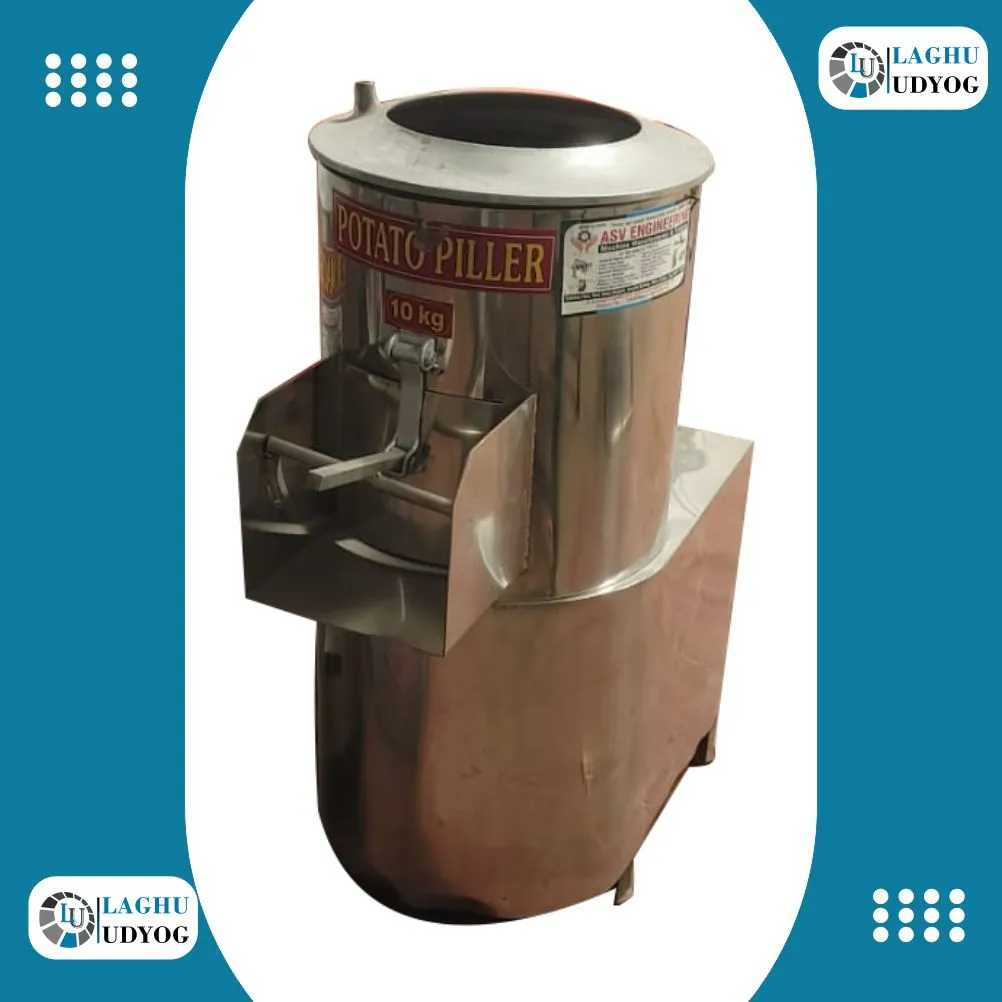
Potatoes are thoroughly washed in a rotary washer to remove dirt, stones, and foreign particles. They then pass through a peeling machine which removes the skin using abrasive rollers or steam. The potato chips making machine line starts with this critical step. Peeling efficiency should be 95% or higher to minimize waste.
Step 3: Slicing
Peeled potatoes are sliced into uniform thin rounds using a precision slicing machine. The slice thickness is typically 1.2-1.5mm for regular chips. Consistent slicing is crucial for uniform frying and consistent product quality. The slicer speed and blade sharpness must be regularly monitored and adjusted.
Step 4: Washing and Blanching
Sliced potatoes are washed in cold water to remove excess surface starch. This prevents chips from sticking together during frying and ensures better color. Some manufacturers also blanch the slices in hot water (70-80°C) for 2-3 minutes to further reduce sugars and improve color uniformity.
Step 5: Dewatering
Before frying, the washed slices are dewatered using a centrifugal dewatering machine or air blower. Excess surface moisture must be removed to ensure efficient frying and prevent dangerous oil splashing. Proper dewatering also helps achieve better crispiness in the final product.
Step 6: Frying
The dewatered slices are fried in hot palm oil at 160-180°C for 2-3 minutes. The frying process removes moisture, cooks the starch, and develops the characteristic golden color and crispy texture. Temperature control is critical for consistent quality. Modern continuous fryers maintain precise temperature and oil flow for uniform results.
Step 7: De-oiling and Cooling
After frying, excess oil is removed using a de-oiling machine or vibrating screen. The chips are then cooled to room temperature on a cooling conveyor. Proper cooling is essential before seasoning to ensure the seasoning adheres properly to the chip surface.
Step 8: Seasoning
Cooled chips enter a seasoning drum where salt and flavorings are evenly applied. The tumbling action ensures uniform coating of all chips. Different flavors can be produced by changing the seasoning blend. The seasoning ratio is typically 2-4% of the chip weight.
Step 9: Quality Inspection and Packaging
Seasoned chips are inspected visually and by weight to remove defective pieces. They are then packaged in pre-printed BOPP bags with nitrogen flushing to extend shelf life. The packaging should be airtight and moisture-proof. Package weights typically range from 20g to 200g for retail sizes, with bulk packs of 500g to 1kg for institutional sales.
Profit Analysis - Detailed Breakdown
Here is a comprehensive profit analysis for a medium-scale potato chips manufacturing unit:
Production Parameters
- Production capacity: 200 kg/hour
- Daily operation: 8 hours
- Daily production: 1,600 kg
- Monthly production: 41,600 kg (26 working days)
- Recovery rate: 30% (5.3 kg potatoes = 1 kg chips)
Revenue Calculation
- Average selling price: Rs. 120-150 per kg (wholesale)
- Monthly revenue: Rs. 49,92,000 to Rs. 62,40,000
- For retail sales: Rs. 200-300 per kg (higher margin)
Monthly Cost Breakdown
- Potatoes (1,38,000 kg at Rs. 12/kg): Rs. 16,56,000
- Palm oil (8,000 liters at Rs. 90): Rs. 7,20,000
- Seasonings and flavorings: Rs. 1,50,000
- Packaging materials: Rs. 4,00,000
- Electricity and gas: Rs. 80,000
- Labor (15-20 workers): Rs. 3,00,000
- Transportation: Rs. 1,50,000
- Other overheads: Rs. 1,00,000
- Total monthly expenses: Rs. 35,56,000
Net Profit Calculation
- Monthly revenue: Rs. 49,92,000 to Rs. 62,40,000
- Monthly expenses: Rs. 35,56,000
- Net monthly profit: Rs. 14,36,000 to Rs. 26,84,000
- Profit margin: 28% to 43%
- Annual profit: Rs. 1,72,32,000 to Rs. 3,22,08,000
These figures demonstrate the excellent profit potential of the potato chips making business. The actual profit may vary based on your location, production efficiency, raw material sourcing, and market conditions.
Return on Investment (ROI)
Based on the profit analysis above, here is the expected ROI for different scales of operation:
Small Scale Unit
- Initial investment: Rs. 6,00,000
- Monthly net profit: Rs. 30,000 to Rs. 80,000
- Break-even period: 8-12 months
- Annual ROI: 60% to 160%
Medium Scale Unit
- Initial investment: Rs. 15,00,000
- Monthly net profit: Rs. 2,00,000 to Rs. 5,00,000
- Break-even period: 6-9 months
- Annual ROI: 160% to 400%
Large Scale Unit
- Initial investment: Rs. 25,00,000
- Monthly net profit: Rs. 5,00,000 to Rs. 12,00,000
- Break-even period: 4-6 months
- Annual ROI: 240% to 576%
Marketing and Distribution Strategy
Building a strong marketing and distribution network is essential for maximizing your profits:
Brand Building
Invest in creating a memorable brand identity with an attractive logo, packaging design, and brand story. Your packaging should stand out on shelves and communicate quality and value. Consider hiring a professional designer for packaging artwork and brand identity development.
Distribution Channels
- Retail stores: Kirana shops, supermarkets, and convenience stores
- Wholesale markets: Supply to distributors who serve multiple retail outlets
- Institutional sales: Hotels, restaurants, canteens, and multiplexes
- E-commerce: Amazon, Flipkart, BigBasket, and your own website
- Export: Middle East, USA, UK, and Southeast Asian markets
Price Positioning
Position your product strategically in the market. You can compete on price with local brands or differentiate on quality and unique flavors to command premium pricing. Consider offering multiple product lines at different price points to capture various market segments.
Quality Control and Food Safety
Maintaining consistent quality and food safety standards is non-negotiable in the food industry:
- Implement HACCP (Hazard Analysis Critical Control Points) system
- Regular testing of raw materials and finished products
- Monitor oil quality and replace oil regularly to prevent degradation
- Maintain proper documentation of all processes and batches
- Regular equipment maintenance and calibration
- Staff training on hygiene and quality standards
- Proper temperature control throughout the production process
Challenges and How to Overcome Them
While potato chips making is highly profitable, there are challenges to be aware of:
- Seasonal potato prices: Invest in cold storage or establish procurement contracts with farmers to ensure year-round supply at stable prices
- Oil price fluctuations: Maintain buffer stock of oil and explore alternative oils that offer similar quality at lower costs
- Competition from established brands: Focus on local and regional markets, unique flavors, and superior quality to differentiate your product
- Quality consistency: Implement strict quality control at every stage and invest in good equipment
- Shelf life management: Use proper packaging with nitrogen flushing and quality preservatives to extend shelf life to 6-12 months
Frequently Asked Questions
The investment for a potato chips making business ranges from Rs. 5 lakh to Rs. 30 lakh depending on the scale. A small-scale unit with basic equipment costs around Rs. 5-8 lakh, a medium-scale semi-automatic setup costs Rs. 10-18 lakh, and a fully automatic production line costs Rs. 20-30 lakh or more. This includes peeling, slicing, frying, seasoning, and packaging equipment along with initial raw materials and working capital.
The profit margin in potato chips manufacturing typically ranges from 25% to 50% depending on the scale, raw material sourcing, and brand positioning. On an average, a small-scale potato chips manufacturer can earn Rs. 30,000 to Rs. 1,00,000 per month. The key to high profitability is sourcing potatoes at low prices during harvest season, optimizing oil usage, and building a strong distribution network for higher sales volumes.
The essential machines for potato chips making include potato peeler, slicer, blancher, fryer, seasoning drum, and packaging machine. A basic potato chips making machine with 50-100 kg/hour capacity costs Rs. 25,000. For higher production, a complete automatic line with washing, peeling, slicing, frying, de-oiling, seasoning, and packaging systems costs Rs. 8-15 lakh. The choice depends on your production requirements and budget.
Product Price & Details
Potato Chips Making Machine
Price: ₹25,000* (Ex-works, GST extra)
SKU: BLOG-FP-004
Brand: Laghu Udyog India | Warranty: 1 Year
Related Products