Why Start a Noodles Making Business in India?
The Indian noodles market has witnessed tremendous growth over the past decade, driven by changing eating habits, urbanization, and the increasing popularity of quick-to-prepare meals. With a market size exceeding Rs. 15,000 crore, the noodles industry offers immense opportunities for aspiring entrepreneurs. Starting a noodles making business is one of the most profitable ventures in the food processing sector, requiring relatively low investment with high returns.
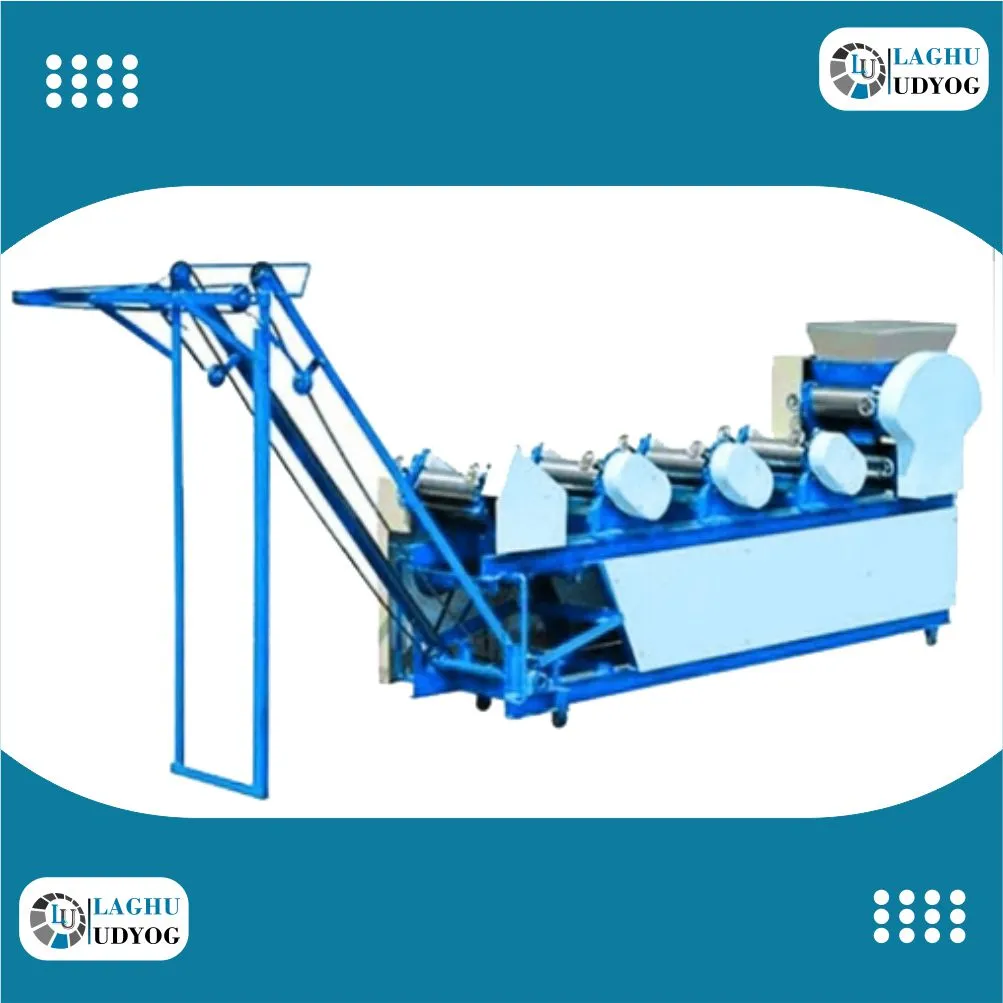
Noodles making machine price starts from Rs 71,000*. This is a profitable food processing business idea and low investment business idea for new entrepreneurs in India.
Noodles have become a staple food in Indian households, especially among children and working professionals who prefer convenient meal options. The demand for both fresh and instant noodles continues to grow in tier-1, tier-2, and tier-3 cities, creating a vast market for local manufacturers. Whether you want to produce fresh noodles for local markets or manufacture instant noodles for regional distribution, this guide covers everything you need to know.
Market Analysis and Growth Potential
The Indian noodles market is projected to grow at a CAGR of 12-15% over the next five years. Several factors are contributing to this growth including increasing disposable income, growing nuclear families, expansion of modern retail, and the rise of food delivery platforms. The unorganized sector still dominates with approximately 65% market share, indicating significant opportunity for new entrants.
Key market trends include increasing demand for healthier noodle variants like atta noodles, millet noodles, and protein-enriched noodles. Consumers are also showing preference for regional flavors and authentic taste profiles. This creates opportunities for small-scale manufacturers to carve out niche markets and build loyal customer bases.
Target Customer Segments
- Households: Fresh noodles for daily consumption and instant noodles for quick meals
- Restaurants and Hotels: Bulk supply for noodle dishes, soups, and starters
- Canteens and Cafeterias: Schools, colleges, offices, and hospitals
- Street Food Vendors: Chow mein vendors, momo sellers, and food stalls
- Retail Stores: Grocery shops, supermarkets, and department stores
- E-commerce Platforms: Online sales through Amazon, Flipkart, and food portals
Types of Noodles You Can Manufacture
Understanding the different types of noodles helps you choose the right product for your target market:
1. Fresh Noodles
Fresh noodles have a shelf life of 3-7 days and are preferred by households and restaurants. They are made from wheat flour, water, salt, and kansui. Fresh noodles have better texture and taste compared to dried variants. The production process is simpler and requires less investment in drying equipment.
2. Dried Noodles
Dried noodles have a shelf life of 6-12 months and are popular in retail markets. They are produced by drying fresh noodles at controlled temperatures. Dried noodles are easier to store, transport, and distribute. The production process involves additional drying stages, making them slightly more expensive to produce.
3. Instant Noodles
Instant noodles are pre-cooked and flash-fried or air-dried, allowing them to be prepared in just 3-5 minutes by adding hot water. They are the most popular type in India with brands like Maggi and Top Ramen dominating the market. Manufacturing instant noodles requires specialized equipment including steaming, frying, and seasoning systems.
4. Specialty Noodles
Specialty noodles include variants like atta noodles, millet noodles, rice noodles, soba noodles, and egg noodles. These cater to health-conscious consumers and niche markets. They command premium pricing and offer higher profit margins for manufacturers who can produce consistent quality.
Investment Required for Noodles Making Business
The total investment depends on the scale of operation and type of noodles being manufactured. Here is a detailed breakdown:
Small Scale Setup (Fresh Noodles)
- Basic noodles making machine: Rs. 45,000
- Dough mixing machine: Rs. 20,000 to 40,000
- Packaging equipment: Rs. 30,000 to 60,000
- Initial raw materials: Rs. 40,000 to 80,000
- Working capital (3 months): Rs. 60,000 to 1,20,000
- Total: Rs. 3 to 5.5 lakh
Medium Scale Setup (Dried Noodles)
- Semi-automatic noodles line: Rs. 5 to 10 lakh
- Drying cabinet or tunnel: Rs. 2 to 4 lakh
- Packaging machine: Rs. 1 to 2 lakh
- Storage and infrastructure: Rs. 1 to 2 lakh
- Working capital: Rs. 2 to 4 lakh
- Total: Rs. 11 to 22 lakh
Large Scale Setup (Instant Noodles)
- Fully automatic instant noodles line: Rs. 15 to 40 lakh
- Steaming and frying system: Rs. 5 to 10 lakh
- Seasoning and packaging system: Rs. 3 to 8 lakh
- Quality lab equipment: Rs. 2 to 5 lakh
- Infrastructure and installation: Rs. 5 to 10 lakh
- Working capital: Rs. 5 to 15 lakh
- Total: Rs. 35 to 88 lakh
Raw Materials and Their Sourcing
The quality of your noodles depends directly on the raw materials used. Here is a comprehensive list:
Primary Ingredients
- Wheat Flour (Maida): The base ingredient, Rs. 25-35 per kg from wholesale markets
- Salt: Food-grade iodized salt, Rs. 15-20 per kg
- Water: Clean, potable water for dough preparation
- Kansui (Alkaline Salt): Gives noodles their characteristic yellow color and chewy texture, Rs. 80-120 per kg
- Preservatives: Potassium sorbate or sodium benzoate for shelf life extension
For Instant Noodles
- Palm Oil: For flash frying, Rs. 80-100 per liter
- Seasoning Packets: Custom spice blends for flavor packets
- Hydrolyzed Vegetable Protein: Flavor enhancer for seasoning
- Soy Sauce Powder: Adds umami flavor to seasoning
Packaging Materials
- Polypropylene Bags: For fresh noodles packaging
- Laminated Pouches: For dried and instant noodles
- Carton Boxes: For bulk packaging and transportation
- Labels and Stickers: Branding and product information
You can source raw materials from wholesale markets, direct manufacturers, or through B2B platforms. Establishing long-term relationships with suppliers ensures consistent quality and better pricing through bulk purchase discounts.
Step-by-Step Noodles Making Process
Understanding the manufacturing process is essential for producing high-quality noodles consistently:
Step 1: Dough Preparation
Wheat flour is mixed with water, salt, kansui, and other ingredients in a dough mixer. The mixing is done for 15-20 minutes until a smooth, elastic dough is formed. The moisture content should be maintained at 30-35% for optimal results. The dough is then rested for 30-60 minutes to allow gluten development.
Step 2: Sheet Formation
The rested dough is fed into the sheeting machine where it is gradually rolled into thin sheets. The thickness is controlled through multiple rolling stages, typically starting at 5mm and gradually reducing to the desired thickness of 1-2mm. The sheeting process develops the gluten network, giving noodles their characteristic texture.
Step 3: Cutting and Forming
The dough sheet passes through the cutting machine where it is sliced into desired noodle widths and shapes. Different cutting dies can produce various noodle types including thin noodles, thick noodles, flat noodles, and round noodles. The cut noodles are then portioned into serving sizes.
Step 4: Steaming (For Instant Noodles)
For instant noodles, the cut noodles are steamed at 95-100°C for 1-2 minutes. This partially cooks the noodles and gelatinizes the starch, making them ready for quick preparation. The steaming process also helps in achieving the characteristic texture of instant noodles.
Step 5: Drying or Frying
Fresh Noodles: Do not require extensive drying. They are cooled and packaged directly.
Dried Noodles: Are dried in hot air dryers at 60-80°C for 4-8 hours until moisture content drops below 12%.
Instant Noodles: Are flash-fried in palm oil at 160-180°C for 1-2 minutes or air-dried using hot air. Frying gives instant noodles their characteristic taste and quick-cooking properties.
Step 6: Cooling and Packaging
The noodles are cooled to room temperature before packaging to prevent condensation and moisture buildup. Fresh noodles are packaged in perforated polypropylene bags, while dried and instant noodles are sealed in laminated pouches with nitrogen flushing for extended shelf life.
Machine and Equipment Guide
Choosing the right noodles making machine is crucial for your business success. Here are the key machines you need:
Essential Machines
- Dough Mixer: For consistent dough preparation, capacity 20-100 kg per batch
- Sheeting Machine: For rolling dough into uniform sheets
- Noodle Cutter: For cutting sheets into desired noodle shapes and sizes
- Steamer: For pre-cooking instant noodles (optional for fresh noodles)
- Hot Air Dryer: For drying noodles to desired moisture level
- Packaging Machine: For sealing and labeling finished products
Quality Control Equipment
- Moisture Meter: For measuring moisture content in noodles
- Kitchen Scale: For portioning and quality checks
- Temperature Controller: For monitoring drying and frying temperatures
Licensing and Compliance
Starting a noodles manufacturing business requires several licenses and registrations:
- FSSAI License: Mandatory for all food businesses. Apply through fssai.gov.in. License fee ranges from Rs. 2,000 to 7,500 annually.
- MSME/Udyam Registration: Register for government subsidies and benefits.
- GST Registration: Required for tax compliance and interstate sales.
- Trade License: From local municipal authority for business operations.
- Shop and Establishment Act: State-specific registration for commercial establishments.
- BIS Certification: Optional but recommended for quality assurance.
- Trademark Registration: Protect your brand name and logo.
Marketing Strategies for Noodles Business
Effective marketing is essential for building a successful noodles brand. Here are proven strategies:
Local Distribution Network
Start by building a strong local distribution network. Visit grocery stores, supermarkets, and kirana shops in your area. Offer competitive wholesale pricing and attractive trade margins. Provide free samples to store owners and their customers. Establish relationships with local distributors who can help you reach more outlets efficiently.
Branding and Packaging
Invest in attractive packaging design that stands out on shelves. Your packaging should communicate quality, freshness, and value. Include clear product information, nutritional facts, cooking instructions, and manufacturing details. Consider using eco-friendly packaging materials to appeal to environmentally conscious consumers.
Online Sales Channels
Expand your reach by listing products on e-commerce platforms like Amazon, Flipkart, BigBasket, and JioMart. Create a professional website with an online store for direct sales. Leverage social media platforms for brand awareness and customer engagement. Consider partnering with food delivery apps for instant noodles and ready-to-eat products.
Institutional Sales
Target institutional buyers like school canteens, office cafeterias, hospitals, railway catering, and airline food services. These buyers place regular bulk orders and provide stable revenue streams. Register on government e-marketplace (GeM) for supplying to government institutions.
Profit Analysis and Revenue Model
Let us analyze the profit potential for a small to medium-scale noodles manufacturing business:
Monthly Production (Semi-Automatic Setup)
- Daily production: 500-800 kg
- Monthly production: 15,000-24,000 kg (26 working days)
- Average selling price: Rs. 60-100 per kg
- Monthly revenue: Rs. 9,00,000 to Rs. 24,00,000
Monthly Expenses
- Raw materials: Rs. 4,50,000 to Rs. 12,00,000
- Electricity: Rs. 20,000 to Rs. 40,000
- Labor (4-6 workers): Rs. 50,000 to Rs. 1,00,000
- Packaging materials: Rs. 1,00,000 to Rs. 2,50,000
- Transportation: Rs. 30,000 to Rs. 60,000
- Other overheads: Rs. 30,000 to Rs. 50,000
Net Profit
After deducting all expenses, a noodles manufacturing business can generate a net profit of Rs. 2,00,000 to Rs. 6,00,000 per month depending on the scale and efficiency of operations. The return on investment can be achieved within 8-12 months of starting the business.
Challenges and Solutions
Every business faces challenges. Here are common challenges in noodles manufacturing and their solutions:
- Quality consistency: Invest in good machines and implement strict quality control at every stage. Regular testing of raw materials and finished products ensures consistency.
- Shelf life management: Use appropriate preservatives and packaging techniques. Nitrogen flushing and moisture barrier packaging extend shelf life significantly.
- Competition from established brands: Differentiate through unique flavors, better quality ingredients, and competitive pricing. Focus on local and regional markets where big brands have less penetration.
- Raw material price fluctuations: Build relationships with multiple suppliers and maintain buffer stock. Consider long-term contracts with price guarantees.
- Distribution challenges: Start with a limited geographic area and expand gradually. Partner with established distributors who have existing networks.
Frequently Asked Questions
The cost of a noodles making machine in India ranges from Rs. 1.5 lakh for a basic semi-automatic model to Rs. 10 lakh or more for a fully automatic noodles making line. A basic machine suitable for small-scale production costs around Rs. 1.5 to 3 lakh, while medium-scale machines with higher capacity range from Rs. 5 to 8 lakh. Fully automatic lines with steaming, drying, and packaging capabilities cost Rs. 10 to 25 lakh.
The profit margin in noodles making business typically ranges from 20% to 40% depending on the scale of production, quality of ingredients, and marketing strategy. On an average, a small-scale noodles manufacturer can earn Rs. 25,000 to Rs. 75,000 per month. The key to maximizing profit is maintaining consistent quality, sourcing raw materials at competitive prices, and building a strong distribution network.
The primary raw materials for noodles making include wheat flour (maida), salt, water, kansui (alkaline salts for texture), preservatives, and food colors. For instant noodles, you will also need palm oil for frying, flavoring packets, and packaging materials. The cost of raw materials per kg of noodles ranges from Rs. 25-40 depending on the quality and type of noodles being produced.
Product Price & Details
Noodles Making Machine
Price: ₹71,000* (Ex-works, GST extra)
SKU: BLOG-FP-003
Brand: Laghu Udyog India | Warranty: 1 Year
Related Products